
Why Online Craps Free Play Is the Quiet Way Aussies Learn the Dice
Craps tables at the Gold Coast’s Star casino still hum on a Saturday arvo, but most of us now learn the dice on a screen rather than at the felt. Online craps free play has quietly become the rehearsal room for players who’d rather not guess their way through a real table. It strips back the pressure and the noise, leaving the maths and the rhythm front and centre.
The shape of the free-play craps room
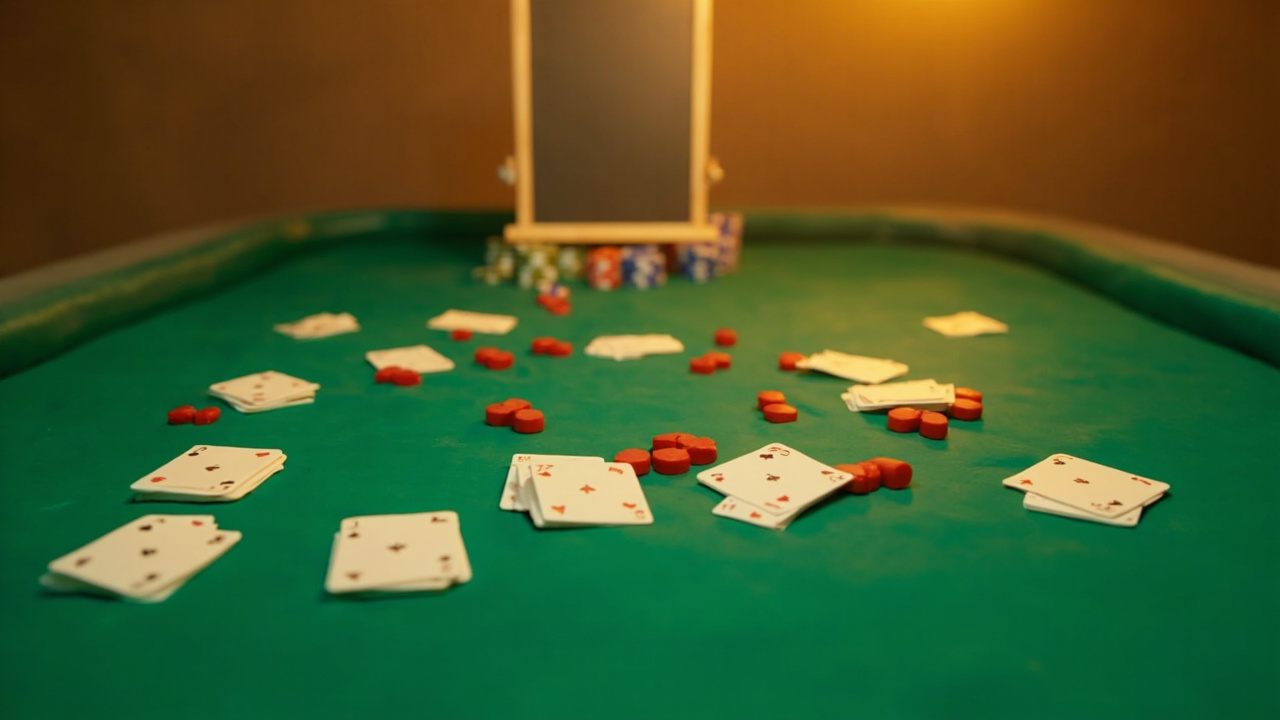
The site running online craps free play here sits in a small category of operators that treat the dice table as a practice floor, not a sales funnel. Registration takes under two minutes with just an email and a date of birth – no ID upload required to enter the demo lobby. Once inside, the craps interface loads a clean felt layout with the pass line, don’t pass, come, and odds bets all visible without scrolling. Two distinguishing traits set it apart from a standard online casino: a dedicated tutorial overlay that highlights each bet on hover, and a session timer that gently nudges after an hour. The games run on an RNG certified by an independent testing lab, with practice stakes from A$0.10 and real-money bets up to A$500 once you switch. The platform is built around practice, not play, which means the demo lobby is the default landing page rather than a hidden corner. If you want to see how that same demo-first philosophy looks in a different format, a slot like dog-house-megaways-au.com runs a similarly clean onboarding flow for first-timers.
Why free mode changes the way you learn
Free play in this post exists for a reason most people underestimate – it’s the difference between reading about a come bet and feeling the house edge eat into a seven-out. The craps layout here keeps the same volatility curve as a live table, so a thirty-minute session in demo will give you roughly the same losing distribution as a real-money run, minus the financial sting. New players can freeze the dice mid-roll using a step-through replay tool, which is something even the Crown Melbourne tables can’t offer. From a growth angle – and I’ve spent years scaling platforms across Southeast Asia where demo-first funnels convert two to three times better than deposit-first ones – that replay function is the real hook. You can also set the RNG to “beginner mode” where the dice follow a slightly more generous distribution, though I reckon even that feels like a proper table by the third hour. Switching to real money is one click but never automatic.
Banking, support, and the mobile feel
When you move from demo to deposit, the same site handles AUD through POLi, PayID, Visa, and a handful of crypto options, with withdrawals clearing inside 24 hours on PayID. The minimum deposit is A$20, the maximum A$5,000 per transaction, and the loyalty scheme – a tiered comp point system called the Dice Club – credits points even during free-play sessions at a reduced rate. From a relationship-led growth perspective, that loyalty tie-in during demo is smart – it gives operators a reason to keep in touch without ever asking for a deposit. In Southeast Asia I’ve watched demo sessions drive more long-term loyalty than any welcome bonus, and the same logic applies here. Customer support runs 18 hours daily through live chat and email, with a Gold Coast-based team available during peak AEST windows, which is defo a useful touch. Mobile is where the platform has done its cleanest work: the craps table scales down without losing the bet layout, and swiping between pass line, place bets, and the proposition area is fast on a mid-range Android. No app needed.
How the Australian setup compares overseas
The UK and parts of Europe regulate demo modes strictly – operators there must show the real-money odds overlay at all times and can only let you play for free once you’ve verified your identity. New Zealand takes a softer line, allowing anonymous demo play but capping practice sessions at 60 minutes. The United States, particularly New Jersey and Pennsylvania, has gone the other way, with demo craps effectively banned in some states because regulators worry about conditioning players to chase losses. Australia’s Interactive Gambling Act 2001 doesn’t forbid demo play, which is why the free craps space here feels comparatively open. That openness has its own cost, though: with no local licensing, the player is relying on offshore regulation, usually Curaçao or the Isle of Man, so the safety net is thinner than what a UKGC or NJDGE licence provides. In mature Southeast Asian markets, by contrast, demo lobbies are tied directly to a single licensed operator, which makes the maths and the regulatory cover easier to track.
Online craps free play here isn’t a polished marketing product – it’s a working draft. The value sits in the maths, the replay tool, and the chance to leave the table without a cent changing hands. Once you’ve got the rhythm, the real felt at Broadbeach or Crown feels less like a gamble and more like a conversation you already know – no worries about the table minimums when you walk in cold.

Quick terms
- Pass line: the main even-money bet placed before the come-out roll
- Don’t pass: the opposing bet, winning on a 2 or 3 and losing on a 7 or 11
- Come bet: a bet placed after the come-out roll that mirrors the pass line
- Odds bet: a true-odds side wager placed behind a pass, don’t pass, or come bet
- RNG: random number generator, the algorithm producing dice outcomes in both demo and real-money modes